The Muddy Windowpane
How Cleaning the Lens of the Mind Restores the Harmony of Life
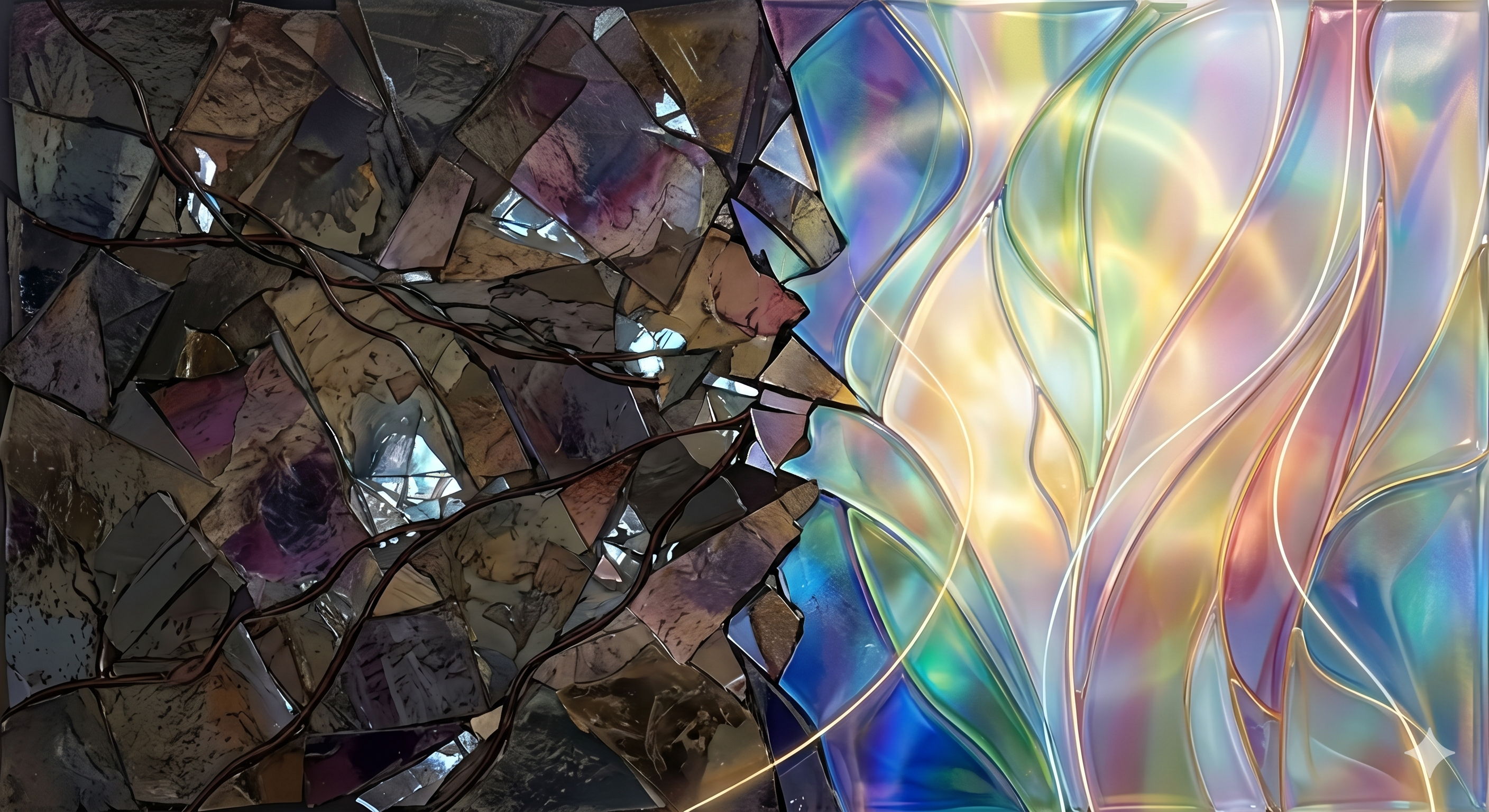
Is cultivating internal harmony worth our attention?
Two young siblings were on a long journey with their parents. After a vibrant, sun-drenched road trip filled with shared stories and laughter, they spent an energetic afternoon at a water park. Thoroughly exhausted but content, they arrived by evening at a resort nestled deep within a dense forest. Their room featured a striking architectural element: a massive floor-to-ceiling glass window designed to offer an unobstructed view of the woodland's nocturnal ecosystem. The parents noted that if the children remained quiet and observant, they might catch a glimpse of the native wildlife—perhaps the reflective eyes of a deer or the silhouette of a nocturnal predator passing through the undergrowth
However, the physical exertion of the day soon took over. Tucked into their beds, the children fell into a deep, restorative sleep, their conscious minds completely letting go of their surroundings
They awoke the next morning not to the soft morning light they anticipated, but to unexpected darkness. The room was entirely unlit and silent. This sudden ambiguity triggered a natural fear response in the children. When the human brain cannot gather visual data to explain its environment, it instinctively projects worst-case scenarios to ensure survival. Whispering to one another, they held hands and crept out of the room, their minds racing with imagined threats
When they found their mother in the hallway, she understood their confusion immediately. Recognizing that their fear stemmed from a lack of information, she calmly guided them back into the room. "Look closely at the glass," she encouraged them
As their eyes adjusted to the dimness, the physical cause became clear. During the night, a localized storm had lashed against the building, splashing the glass from top to bottom with a thick layer of wet mud and forest debris. The outside world had not vanished, nor had an unnatural darkness fallen over the earth; their visual access to it had simply been blocked by a physical barrier
Soon, the resort staff began cleaning the exterior pane. With every stroke of the squeegee, a little more natural sunlight streamed into the room. Eventually, the vibrant green of the forest was fully revealed. The children's fear instantly evaporated, replaced by cognitive relief and understanding
That evening, they sat by the same window, their faces pressed against the now crystal-clear glass. The forest was no longer a source of anxiety, but a fascinating ecosystem. They watched the distant, glowing eyes of a deer navigating the brush. They had reconnected with the sense of wonder they were meant to experience all along
The Cognitive Mirror That muddy windowpane is an exact metaphor for the human mind. The external world—our daily circumstances, systemic challenges, and interpersonal relationships—exists independently of our immediate emotional state. However, when our cognitive processing is clouded by the "mud" of chronic anxiety, acute fear, or deep-seated misunderstanding, our brain misinterprets neutral or ambiguous stimuli as active threats
In psychology, this is known as a cognitive distortion. When our internal lens is obscured, the entire world feels hostile, exhausting, and dark. This is a state of psychological friction and agitation
Conversely, when we apply the "cleaner" of mindful awareness and emotional regulation, we do not magically alter the external landscape. The trees remain trees, and the challenges remain challenges. What changes is the clarity of our internal lens. By systematically clearing away emotional reactivity and cognitive biases, we perceive reality with greater objectivity and less unnecessary suffering
So, to answer the fundamental question: Is cultivating internal harmony worth our attention?
Absolutely. Prioritizing psychological harmony does not grant us the power to control the external world, but it purifies the exact mechanism through which we perceive, interpret, and engage with it. In clearing the glass, we do not change reality — we simply rediscover how to navigate it with clarity and resilience!!!